
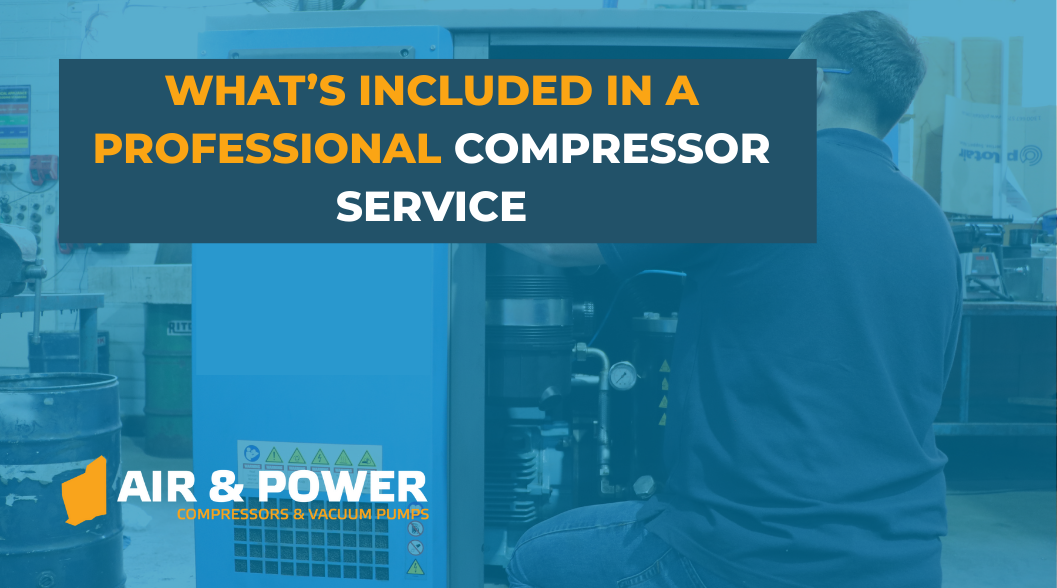
When you’re looking at getting your compressor serviced, it’s a good idea to know what’s actually going on. This article breaks down what a professional service involves, so you know what you’re paying for. We’ll cover the basics, like checking filters and oil, and then get into the finer points that keep your equipment running smoothly.
Key Takeaways
- Regular compressor servicing is important for keeping it running well and spotting problems early.
- A professional service checks things like air filters, oil, belts, and safety features.
- Checks also include looking at the lubrication and cooling systems, and electrical connections.
- Advanced checks might involve pressure tests, leak detection, and fine-tuning for peak performance.
- Choosing experts like Air And Power ensures quality parts and detailed reports to protect your equipment.
Understanding Your Compressor Service
The Importance of Regular Servicing
Think of your air compressor like any other piece of machinery you rely on – it needs a bit of TLC to keep running smoothly. Regular servicing isn’t just about ticking a box; it’s about making sure your compressor is ready to go when you need it and that it lasts for years to come. Skipping these check-ups can lead to unexpected breakdowns, costly repairs, and even a shorter lifespan for the unit. It’s like putting off a dental visit – a small issue can turn into a big problem if you don’t address it early.
What to Expect During a Professional Service
When you bring your compressor in for a professional service, you can expect a thorough going-over. Our technicians will look at all the important bits to make sure everything’s in good nick. This usually involves:
- Checking the air intake filter: This is the compressor’s lungs, so we make sure it’s clean and can breathe freely. A clogged filter makes the compressor work harder.
- Inspecting the oil: We’ll check the oil level and its condition. Dirty or low oil can cause serious damage.
- Looking at the belts: If your compressor has belts, we’ll check their tension and make sure they aren’t cracked or worn.
- Testing safety features: Things like pressure relief valves are there for your safety, so we make sure they’re working correctly.
- Draining the tank: We’ll drain any moisture that’s built up, which helps prevent rust.
Identifying Potential Issues Early
One of the biggest benefits of regular servicing is catching small problems before they become major headaches. Our technicians are trained to spot the signs of wear and tear that you might miss. This could be anything from a slight change in the compressor’s sound to a small leak that’s just starting. Catching these issues early means we can often fix them with a simple adjustment or a minor part replacement, saving you time and money down the track. It’s all about preventative care to keep your equipment running reliably.
Key Components Checked During Service
When you bring your compressor in for a professional service, our technicians go through a checklist to make sure everything is running as it should. It’s not just about a quick once-over; it’s a thorough inspection of the parts that keep your compressor working efficiently and safely.
Air Filter Inspection and Replacement
The air filter is like the lungs of your compressor. It stops dust, dirt, and other particles from getting into the system. If it gets clogged up, your compressor has to work harder to suck in air, which uses more energy and can cause overheating. We’ll check how dirty it is. If it’s looking a bit grim, we’ll swap it out for a fresh one. A clean air filter means your compressor can breathe easy and perform at its best.
Oil Levels and Quality Assessment
Oil is super important for keeping the moving parts inside your compressor lubricated and cool. During a service, we check the oil level to make sure it’s within the recommended range. We also look at the oil’s condition. If it’s dark, sludgy, or has bits in it, it’s a sign that it’s time for an oil change. Old or dirty oil can’t do its job properly, leading to increased wear and tear on the compressor’s internal components.
Belt Tension and Condition Check
Many compressors use belts to transfer power from the motor to the pump. We’ll inspect these belts for any signs of wear, like cracking or fraying. We also check the tension. A belt that’s too loose can slip, reducing efficiency, while one that’s too tight can put extra strain on the motor and bearings. Getting the belt tension just right is key for smooth operation.
Drain Valve and Safety Features
Water can build up inside the air receiver tank as a byproduct of compression. The drain valve is there to let this water out. We check that the drain valve is working correctly and isn’t blocked. We also look at all the safety features, like pressure relief valves and automatic shut-offs, to make sure they are functioning as they should. These safety systems are there to prevent dangerous pressure build-ups and keep you and your equipment safe.
Ensuring Optimal Performance and Longevity
Lubrication and Cooling System Checks
Keeping your compressor running smoothly is all about the little things, and two big ones are lubrication and cooling. Think of the oil like the blood in your veins – it keeps everything moving without grinding to a halt. During a service, we’ll check the oil level to make sure it’s right where it needs to be. Too little, and parts can wear out faster. Too much, and it can cause other issues. We also look at the oil’s condition. Is it dark and sludgy? That means it’s time for a change. Old oil doesn’t lubricate as well and can even start to damage components.
Cooling is just as important. Compressors generate a lot of heat, and if that heat isn’t managed, it can lead to overheating and breakdowns. We’ll inspect the cooling fins or any fans to make sure they’re clear of dust and debris. A blocked cooling system is like trying to run a marathon in a sauna – it’s just not going to end well. A well-maintained lubrication and cooling system is key to preventing costly repairs down the track.
Electrical Connections and Controls
Your compressor is an electrical machine, so keeping an eye on its wiring and controls is pretty important. During a service, we’ll give all the electrical connections a good once-over. We’re looking for anything loose, frayed, or corroded. These issues can cause intermittent power problems or, worse, be a safety hazard. It’s like checking the plugs and cords around your house – you want to make sure they’re all in good nick.
We also check the control panel and any switches. Are they working as they should? Is the pressure switch cutting out at the right pressure? Are the safety cut-offs functioning? These controls are the brain of the operation, telling the compressor when to start, when to stop, and when to shut down if something’s not right. Making sure these are all spot-on helps keep things running safely and efficiently.
Vibration and Noise Analysis
Sometimes, your compressor will tell you it’s not happy through its sounds and how it feels. Unusual vibrations or a change in the noise it makes can be early warning signs of trouble. During a service, our technicians will listen to the compressor’s operation. Is it making any new rattling or knocking sounds? Is it vibrating more than usual? These aren’t just annoying noises; they can point to problems like loose parts, bearing wear, or even an unbalanced motor.
We’ll also check things like motor mounts and any other components that could cause excessive shaking. Addressing these vibrations early can prevent them from causing more significant damage. It’s a bit like noticing your car is making a funny noise – it’s better to get it checked out before it turns into a major breakdown. Paying attention to these subtle cues helps keep your compressor running reliably for years to come.
Beyond the Basics: Advanced Compressor Care
So, you’ve had your compressor serviced, and everything seems to be running smoothly. That’s great! But what if you want to really get the most out of your machine, making sure it lasts for years and performs at its peak? This is where we go a bit deeper, looking at those advanced checks and adjustments that can make a real difference.
System Pressure and Leak Detection
Think of your compressor’s pressure like your own blood pressure – it needs to be just right. Too high, and you risk damaging components. Too low, and you won’t get the performance you need. During an advanced service, a technician will carefully check the system pressure against the manufacturer’s specifications. They’ll use calibrated gauges to get an accurate reading. This is a really important step for both efficiency and safety.
Beyond just checking the numbers, they’ll also be on the lookout for leaks. Even a small leak can waste a surprising amount of air over time, making your compressor work harder than it needs to. This means higher energy bills and more wear and tear on the machine. Technicians might use a few methods to find these sneaky leaks, sometimes using a soapy water solution to spot bubbles, or even specialised ultrasonic leak detectors for more subtle issues. Finding and fixing these early can save you a lot of hassle and money down the track.
Component Wear and Tear Assessment
Compressors have a lot of moving parts, and over time, they naturally experience wear. An advanced service goes beyond just a quick look. Your technician will be examining key components for signs of wear that might not be immediately obvious. This could include:
- Piston Rings and Cylinders: Looking for scoring or excessive play that could reduce compression.
- Bearings: Checking for roughness or noise that indicates they’re nearing the end of their life.
- Valves: Inspecting for damage or carbon build-up that affects airflow.
- Seals and Gaskets: Identifying any signs of drying out, cracking, or hardening, which are precursors to leaks.
By spotting these issues early, you can plan for replacements before a component fails completely, which could cause more significant damage and lead to longer downtime.
Performance Tuning and Calibration
Sometimes, a compressor might not be performing at its best, even if nothing seems obviously broken. This is where performance tuning and calibration come in. It’s about fine-tuning the machine to operate exactly as it should. This might involve:
- Adjusting Pressure Switches: Making sure the cut-in and cut-out pressures are set precisely to the required levels.
- Optimising Unloader Valves: Ensuring these valves are functioning correctly to release pressure when the motor stops, preventing hard starts.
- Checking and Adjusting Thermostat Settings: For compressors with cooling systems, ensuring the temperature is regulated properly.
These adjustments might seem small, but they can significantly impact how efficiently and reliably your compressor operates. It’s like getting a tune-up for your car – it just runs better afterwards. Getting these settings right means your compressor works smarter, not just harder.
Air And Power Air and Power Advantage
Expert Technicians and Genuine Parts
When it comes to servicing your air compressor, you want to know it’s in good hands. At Air And Power Air and Power, we pride ourselves on having a team of technicians who really know their stuff. They’re not just mechanics; they’re specialists trained to understand the ins and outs of all sorts of compressors. This means they can spot a potential problem before it becomes a big headache. We also make sure to use quality parts. Why does this matter? Using aftermarket parts can sometimes lead to issues down the track, and we want to avoid that for you.
Comprehensive Service Reports
After we’ve finished servicing your compressor, you won’t be left wondering what we did. We provide a detailed service report. This report outlines all the checks we performed, any parts we replaced, and any recommendations we might have for future maintenance. It’s a clear record of the work done, so you know exactly what’s happening with your equipment. Think of it like a health check-up report for your compressor – it tells you its current condition and what to keep an eye on. This way, you’re always in the loop and can make informed decisions about your machinery.
Maintaining Your Investment
Your air compressor is a significant investment, and like any good investment, it needs proper care to last. Regular, professional servicing is the best way to protect that investment. It helps prevent unexpected breakdowns, which can be costly in terms of repairs and lost productivity. By keeping your compressor running smoothly, you’re also helping it to operate more efficiently, which can save you money on energy costs over time. Choosing Air and Power for your compressor service means you’re choosing reliability and longevity for your equipment. We’re here to help you get the most out of your machinery for years to come.